Showing posts with label Rangefinder Magazine. Show all posts

20 October 2013

Embrace the Pain... State of the Industry 2013


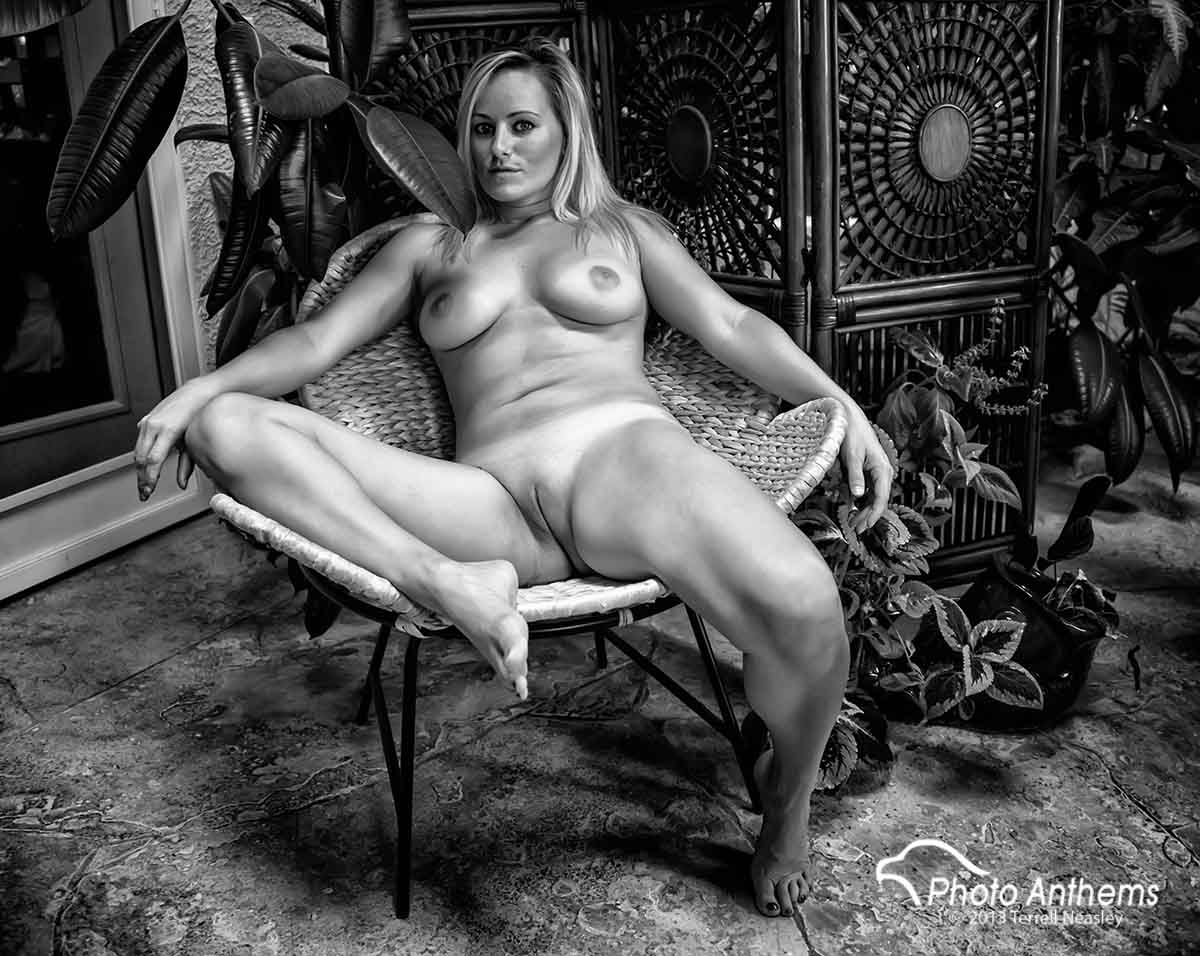
Art Model, Leslie ©2013 Terrell Neasley
"It is not necessary to change. Survival is not mandatory."
~ W. Edwards Deming

One of the benefits of subscribing to Rangefinder Magazine is the end of year report they do on the State of the Industry, (sourced by  IBISWorld), usually in the October or November issues. One thing that remains consistent with trends from last year is the steady decline of customer's need for pro photogs for various reasons. One is the re-prioritizing of disposable income where photo services may not be as important as other things on people's financial agendas. Wedding, Portrait, and Commercial genres still hold the vast majority of need for new clients and are the largest sectors of the photo industry as a whole. However, even in those sectors of the industry, customers are still scaling back. And commercial budgets have been cut as managers are seeking more ways to slash expenses. People will still need memories and documentation of their events. Companies will still need images to entice us with their new product lines; just less of it. The digital prints that stay on e-magazines, websites, Facebook, Flickr, or the hard drive has become more important than physical prints that go in paper magazines, hang on the walls or sit on the mantle.

Art Model, Leslie ©2013 Terrell Neasley
So what's this mean for the pro photog? Demand is declining much like the water levels in Lake Mead. If you drive out to Hoover Dam in Boulder City, you'll notice a broad ring around the canyon walls where the water level has significantly dropped. Those rings are about 100 feet high.Touring the northern end and you can now drive out on larges sections of land that used to be underwater. The nature of photography is definitely evolving, changing, and morphing into something slightly different. Picture production at its core has remained fundamentally the same. We need it. We actually need more of it! But how its done and what we do with the results are entirely different than even when I was a kid. I'm living in a good time. My generation gets to see and recognize the transition. The generation after ours was born into this and don't know anything different. To me, it's actually exciting to witness history!

I call this the Commoditization of Photography (Or maybe its already been called that before.) And like any other commodity, a market has to exist for it. And if a market exists for any given commodity, equilibrium is an essential requirement. And by equilibrium, I mean supply and demand which is governed by that "invisible hand". Think about it. At one point in the life of photography, Supply was limited with a high demand. Photographers were paid well for their services because barriers to entry were relatively high. Cameras were expensive and the skill required to manipulate the camera to achieve a proper exposure and focus was a slow and arduous task made achievable with years of training in both the field AND in the darkroom.

Art Model, Leslie ©2013 Terrell Neasley
"If it keeps up, man will atrophy all his limbs but the push-button finger."
~ Frank Lloyd Wright 

And then technology happened. Significant advancements started to chip away at those barriers to entry. Leica introduced the first Auto Focus system in a camera. 1959 saw the first production of Varifocal or "Zoom" Lenses. Advancements in film chemistry also contributed to less complexity and skill needed for photography. Smaller sizes, Polaroid film, disposable cameras all inflamed the interest in consumer models. But as we all know, it was the advent of digital technology that ushered in the exponential changes in photography. Highter ISO's. More Megapixels. Dual Pixel Autofocus and CMOS sensors! Those barriers began to break open like the Berlin Wall. "EVERBODY'S GETTIN' INTO THE ACT!!", so to speak. But as I said, all markets require equilibrium. Supply has outpaced demand at a time when demand was beginning to dwindle anyway from other economic pressures. I'm sure you recall your ECON 101. What happens when supply outpaces demand? Prices fall. Things even out again.

Art Model, Leslie ©2013 Terrell Neasley
Thank technology for all this. We love it, but its got a mean streak too that we have to also embrace. The trick is being one of the survivors during the photographic market correction and learning to utilize all this new tech to your advantage. And trust me, skill and complexity is on the rise again. More time spent in training is becoming essential. Differentiation is absolutely necessary. You have to stand out from the pack. Photographers are having to learn video, Photoshop, Digital Asset Management, etc, to be better. Clients have higher and higher expectations and when we don't OVER-deliver, we fail them. Its making it so that if you don't love this thing, you're gonna hate it and get out. Then everybody that got into photo for a quick buck starts to look elsewhere because photo has become "too hard".

Embrace pain. The world is so much easier when you do.

Dang! Somebody else used the term, "Commoditization of Photography" just earlier this year!!

07 July 2013

What I Wish Photographers Would Do, Part 2


Art Model, Christina ©2013 Terrell Neasley
"What makes photography a strange invention is that its primary raw materials are light and time."
~John Berger 

Everything I write here for this 3-part series of posts are actually for the purposes of self-preservation. I'm not in any way saying photography is dying, but let me be clear, it is definitely sick. As I've stated earlier, a third of the blame lies with knuckle-heads in the business. So yes, self-preservation is my goal here, but its always been my nature to help, teach, protect, and edify. Understand me. I love this thing of light capture and pixel punishing. Its my thing. Passionate is too light of an adjective to ascribe to my thing for photography and I don't like seeing it sick. So let me get started on the second part of this series.

Part 2: STUDY YOUR TRADE

Art Model, Christina ©2013 Terrell Neasley
Like anything you undertake that is worthwhile, planning, research, and ongoing study is imperative if you wish to be better and achieve some reasonable degree of success. Far to often, I run across a photog doing paid work, who has no idea of how to operate their camera out of the "scene" modes, know the relationship of aperture to depth of field, use flash off camera, work with radio triggers, understand when to use ND filters, do post-work in Photoshop, use a lens other than the 18-55 or 18-135 kit lens their camera came with, ever use Bulb mode, or do anything else that might be evident that they take photo seriously. Okay, so you know the alphabet in order. Now identify the f/stops in order of widest to the smallest you can recall.

I'm not picking on anybody...well, okay. Yes I am, but for good reason. If you are not training yourself to get better, eventually you get yourself caught in a situation that you can't account for and thereby fail to deliver on promises you made. In addition, how can you place any value on your services when you do nothing to justify your worth. Spending big money on a good camera gives you no more right to call yourself a photographer than someone who buys an expensive hammer and calls themselves a carpenter. Knowledge and skill must wield the tool.

Art Model, Christina
©2013 Terrell Neasley

“I believe in equality for everyone, except reporters and photographers.” 
~Mahatma Gandhi

I'm not saying anyone has to go spend 4 years in school and get a degree in photography. Not at all. But you still have to read. There is too much information online, much of it free in the form of tutorials and articles that can bring you up to speed and help you grow in your trade. Much of it is scattered all over the internet, but there are also central areas of creditable knowledge that can steer you on the straight and narrow. Lynda.com is a powerful source of info on just about anything for creatives. Plearn.com is one that I'm becoming familiar with. Take a look at my iPhone and you will see several subscriptions to photo-related podcasts that keep me abreast of the latest in photo news, issues, techniques, opinions, and more. Two that I am religious about are TWIP, with Frederick Van Johnson and PhotoFocus run by Richard Harrington and Scott Borne (located here in Vegas!). Chances are, if you see me on the road, I've got my ear-buds in listing to a podcast of some sort.

Art Model, Christina ©2013 Terrell Neasley
But wait, there's more. Do you subscribe to any magazines? Why not? Rangefinder Magazine, by the Neilson Photo Group (who runs WPPI) even has a paper version for free! My daughter first told me that. They do a State of the Industry report on the photography business in general every year. How about joining PPA? There are all kinds of benefits and networking opportunities there? Join a local photo club or meetup group lately? You have the benefit of learning from each other in those things. Does your city have a local camera store? Mine does. B&C Camera. You can go in and see the new gear that's just released and ask questions from a sales staff who are actual photographers. There are pros that come there on Saturdays to hang out and answer questions for you. Why? Because they love this thing. You can't do that with online stores. And try it at Best Buy and chances are, you'll be talking to a kid who can read the information off the card for you. Every use a Tilt-Shift lens? Wanna see what you could do with a fast telephoto lens? Spend a few dollars and rent one. I recently read an article about the Nikon 200mm f/2 as being the best for portraits. So I tried it out. Now I know that the Canon 85mm f/1.2 is still the best to me, but the Nikon 200mm comes in a close second for its sharpness and quick auto focus. I got to experience it and know for myself and that's powerful. Don't be too tight to rent some gear. Sacrifice some Starbucks and McD's. Its worth it.

Art Model, Christina ©2013 Terrell Neasley
All I'm saying is this. It cheapens photography when people get into it to make a buck, but don't want to put in the study or the work. It devalues the trade when you don't do it right. We all help ourselves when we treat the trade with respect. Practices that benefit you for the moment, but kills you and everybody else in the long run is just stupid. I don't care how many people buy cameras and join the club. I'll even help you do it as best I can. But I'm going to hold it against you if you are hollow, cheap and irresponsible with my love. Be respectful.

22 December 2012

Getting into Photo, Part 4... The Print


© 2012 Terrell Neasley
"The negative is the equivalent of the composer's score, and the print the performance."
 - Ansel Adams


In the majority of cases, this is what it boils down to. The Print. Nothing else really matters. I'm not talking about the shots that wind up on Facebook that you took with your cell phone from the Christmas party last night. And this isn't intended for people who will only use their cameras to take pics of family and family events to share with other members of the family and friends. This goes to those desiring to "Get Started in Photography", whether you turn pro or do it as an amateur/enthusiast. Its the print that matters most. If you have a moment, check out my April 2012 post regarding, "Focus on The Print".

Why do I say this? What point am I trying to emphasis? Well, its mainly regarding photogs who give away hi-res images on a CD to their client and never do anything beyond shooting and editing. This job is then incomplete. The photographic process is three parts, not 2. Its Shoot, Edit, and then Print. Cutting corners by not completing this last stage kills your own money and that of mine because I am part of the industry. Rangefinder Magazine did an excellent article in their annual "State of the Industry" year-end report on photography trends in the US. One of the last parts in this report covers the "Album-less Bride".

© 2012 Terrell Neasley
The Album-less Bride,
"But that doesn't mean commercial photographers aren't concerned about the negative effects of digital and of file sharing. Last year, WPPI described a growing phenomenon: the album-less bride. “What is an album-less bride?” writes Kathleen Hawkins, a Florida-based photographer and author, in the WPPI newsletter late last year. “Amazingly, many of the photographers who took pride in the fact that they were artists and not business people are now seeking the quick and easy sale with the evolution of digital photography.” Or in other words, an album-less bride is a shoot-and-burn job in which the client (often a bride) gets the master images on a disc to do what she wants with them; she, in fact, doesn't order any prints from the photographer at all. 
As a business practice, shoot-and-burn has a collateral effect, says Graphistudio director Maureen Neises. “The photographers that cave in and give their clients a disc are creating a pent-up pressure in the market place,” she says. “The trend now is that consumers are calling us directly.” Or, she says, they are searching online book printing services. “Shoot-and-burn photographers that provide a disc are not finishing the job." - Excerpt from Rangefinder Magazine's State of the Industry: Business Trends 2012
© 2012 Terrell Neasley
“The photographers that cave in and give their clients a disc are creating a pent-up pressure in the market place.” 
- Maureen Neises

The thing is, the article goes on to say that a representative from one of the largest album makers said their sales have not fallen off, despite this trend. This is because they have been getting more contacts directly from the consumer to make their own albums, which means they take your hard-earned work, your copyrighted images, and make their own products from them, doing so with your permission!. I won't even get into the plethora of stories I hear from other photogs who's clients also RE-EDIT those Hi-Res shots to their own liking or at the very least RE-CROP the images. Sometimes this is a crop to get a close-up portrait shot (creating two images from the one) OR, they do it to take off your watermark. I talked to another shooter just last week who represented the business side of a husband-wife photography studio. From everything I understand, they are very successful at what they do. They have a great studio and I can't help but respect their business. However, I have to entirely disagree with their business model. They feel like their market demands the CD and therefore that's what they cater to. Specializing in weddings, the Hi-Res CD is given to the client with little to no concentration on prints. "The market doesn't support prints. They all want CDs." Well, of course they do! The market would also support free photography services. If you want to stifle the business of photography, keep doing this. Its analogous to cutting small slits in your own necks and bleeding out slowly.

© 2012 Terrell Neasley
Here's why this is so important. Lets forget for a second that the print is the final end-product and that the photo [GRAPH] is the reason we we do photo [GRAPHY]. Consumers don't look at your overall expenses in the photo game. You can't blame them. They don't see the other side. They see you snap a picture with an expensive camera and that's it. As if all your money is tied up in your camera and lens investment and once the money for that is earned back, everything else is gravy. But you know what, I have a business licence to maintain with the state of Nevada every year. I have business insurance that covers my equipment anywhere in the world, as well as if I get sued. I go to some sort of continuing training program every year, trade shows, and have monthly subscriptions to services that aid me at being better at what I do. My website is not free. My software is not free, nor the computer hardware or network. 

“For me the printing process is part of the magic of photography. It’s that magic that can be exciting, disappointing, rewarding and frustrating all in the same few moments in the darkroom.” 
– John Sexton

All my redundant back-ups cost me in equipment and storage. I deserve to be well-compensated for my years of expertise, knowledge, and education. I spend money to go network with other photographers and scout locations so when my client has a vision for a special place, I can suggest several options that match or exceed what they have in mind. I could go on and on regarding copyright registration fees, accounting and tax fees. This is still a business. How do you fund your retirement and medical when you are giving away profits? We do more than just "push a button", as I was once told by a guy at a wedding who didn't feel like I offered any more than he could with his $300 point and shoot. He asked me how much my setup costs me. I told him. Then asked what I was charging for the wedding. Of course I told him that info was only between my client and myself. I took his picture and sent him a portrait of himself shot at f/1.2 and told him that he could have his pic at any one of my cameras and a lens if he could duplicate that shot with his own camera. I never heard back from him.

© 2012 Terrell Neasley
Thankfully, not all consumers are like this. I have had the benefit of working with clients who understand my trade, appreciate my art, and respect my business. If you want to be a good businessperson who is also credit to their trade, operate your business the right way. I fully recommend doing business with your local print labs. I work with both the local businesses here in Las Vegas as well as some of my online vendors. I work between about 6 different lab choices on a regular basis with business accounts with each. My choices may depend on promotional specials or the quality of work my client is willing to pay for. High-end work will go to one of 3 labs choices whereas the others are more economical. And then sometimes it has to do with the services offered. Not many labs offer framing services as an additional option, for instance. Either way, do your work and offer print options and sales that end up with your artistic efforts on residential and business walls...not just social media walls.

Next up, and final of this series... The Business